

Key Takeaways
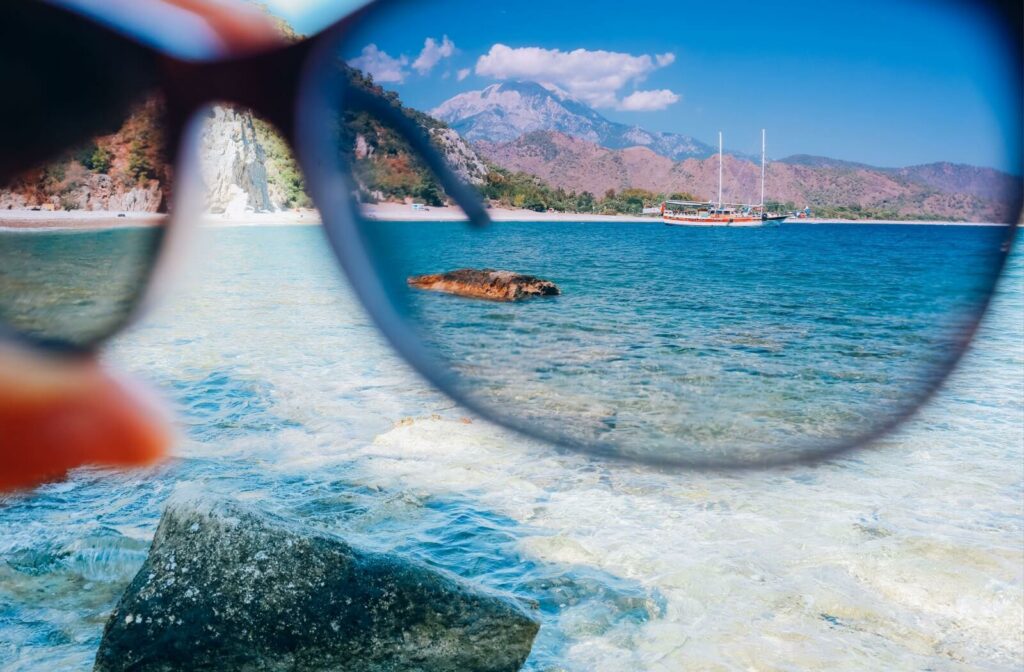
- Polarized lenses filter horizontal light waves to help reduce glare and eye strain outdoors.
- The phone screen test is the quickest way to check if your sunglasses are polarized at home.
- Other simple tests use a second pair of sunglasses, a reflective surface, or open water.
- Polarized lenses work well for driving and outdoor activities, but aren’t ideal for every situation.
- An optometrist in Liberty Village can help you choose the right lenses for your lifestyle and vision needs.
You’ve probably noticed that certain sunglasses seem to make a sunny day outside feel a lot more comfortable, while others just make everything look darker. That difference often comes down to whether the lenses are polarized or not. Dr. Rehana Manji and Associates carries a range of sunglasses so you can find a pair that actually works for your eyes and your lifestyle.
Polarized sunglasses have a special filter built into the lens that blocks horizontal light waves, which are the ones responsible for the harsh glare bouncing off roads, water, and car hoods. If you spend time driving, near water, or in open spaces on bright days, that difference is something you’ll notice quickly.
To tell if your sunglasses are polarized, try looking at a phone or LCD screen through the lenses and slowly rotate them. If the screen noticeably darkens or turns black at certain angles, your sunglasses are likely polarized. You can also confirm this with a few other simple at-home tests involving reflections, water, or a second pair of polarized lenses.
The Phone Screen Test
How to Do It
This is the fastest test you can do right now with items you already have. Hold your phone at arm’s length with the screen facing you, and put on the sunglasses you want to test. Then slowly tilt your head to one side, rotating about 90 degrees.
If the screen darkens noticeably or goes almost completely black as you tilt, the lenses are likely polarized. If the brightness stays the same, they’re probably not.
Why It Works
Phone screens emit polarized light. Polarized lenses are designed to block light waves travelling in a perpendicular direction, so when the angle between your lens and the screen shifts, the two polarized filters cancel each other out, making the screen go dark.
One thing to keep in mind: OLED screens, found in many newer phones, may not give you a clear result. If the test seems off, try it with an older phone or any LCD screen instead.
3 Other Simple Tests to Try at Home
The 2-Pair Test
If you have 2 pairs of sunglasses on hand, hold them lens-to-lens so you’re looking through both at the same time. Then slowly rotate one pair 90 degrees while keeping the other still. If both pairs are polarized, the overlapping area will go dark as the lenses hit a perpendicular angle. If nothing changes, at least one pair isn’t polarized.
The Glare and Reflection Test
Step outside on a bright day and find a reflective surface, like a car hood, a window, or pavement after rain. Put on your sunglasses and slowly tilt your head side to side while looking at the glare. With polarized lenses, you’ll notice the glare softens or disappears at certain angles. Non-polarized lenses won’t change what you see as you tilt.
The Water Surface Test
Head to any body of water on a sunny day, whether that’s a lake, a puddle, or a pool. Look at the surface without your sunglasses first, then put them on. Polarized lenses cut through the surface glare and let you see into the water below. Non-polarized lenses will dim the brightness, but the reflective glare stays.
When Polarized Lenses Help and When They Don’t
Great Situations for Polarized Lenses
Polarized lenses can make a real difference in specific settings. They’re a practical choice for:
- Driving on bright, sunny days when road glare is distracting
- Outdoor activities near water, snow, or open fields where reflected light is intense
- Anyone who experiences light sensitivity or eye strain in bright conditions
Times to Skip Polarized Lenses
Polarized lenses aren’t the right fit for every situation. There are a couple of cases where they can actually work against you:
- Skiing or snowboarding, where glare reduction can make it harder to spot icy patches on the slope
- Reading LCD screens, dashboards, or instrument panels, where polarized lenses can cause those displays to appear dim or distorted
If you spend a lot of time in front of screens and are also dealing with light sensitivity, it may be worth exploring digital eye strain options alongside your sunglasses choice. These concerns often go hand in hand for people who move between indoor and outdoor environments throughout the day.
When to See an Optometrist in Liberty Village
Home tests can tell you whether a lens is polarized, but they can’t tell you whether polarized lenses are the right choice for your eyes and daily routine. There’s more to eyewear than one feature, and the right pair depends on how you use your eyes every day.
If you’re experiencing ongoing glare sensitivity, eye strain, or general discomfort in bright light, those are worth discussing with a professional. Our team at Dr. Rehana Manji and Associates can look at the full picture of your vision and lifestyle and help you find eyewear that actually fits your needs. Booking a comprehensive eye exam is a straightforward starting point, and you don’t have to sort through the options on your own.